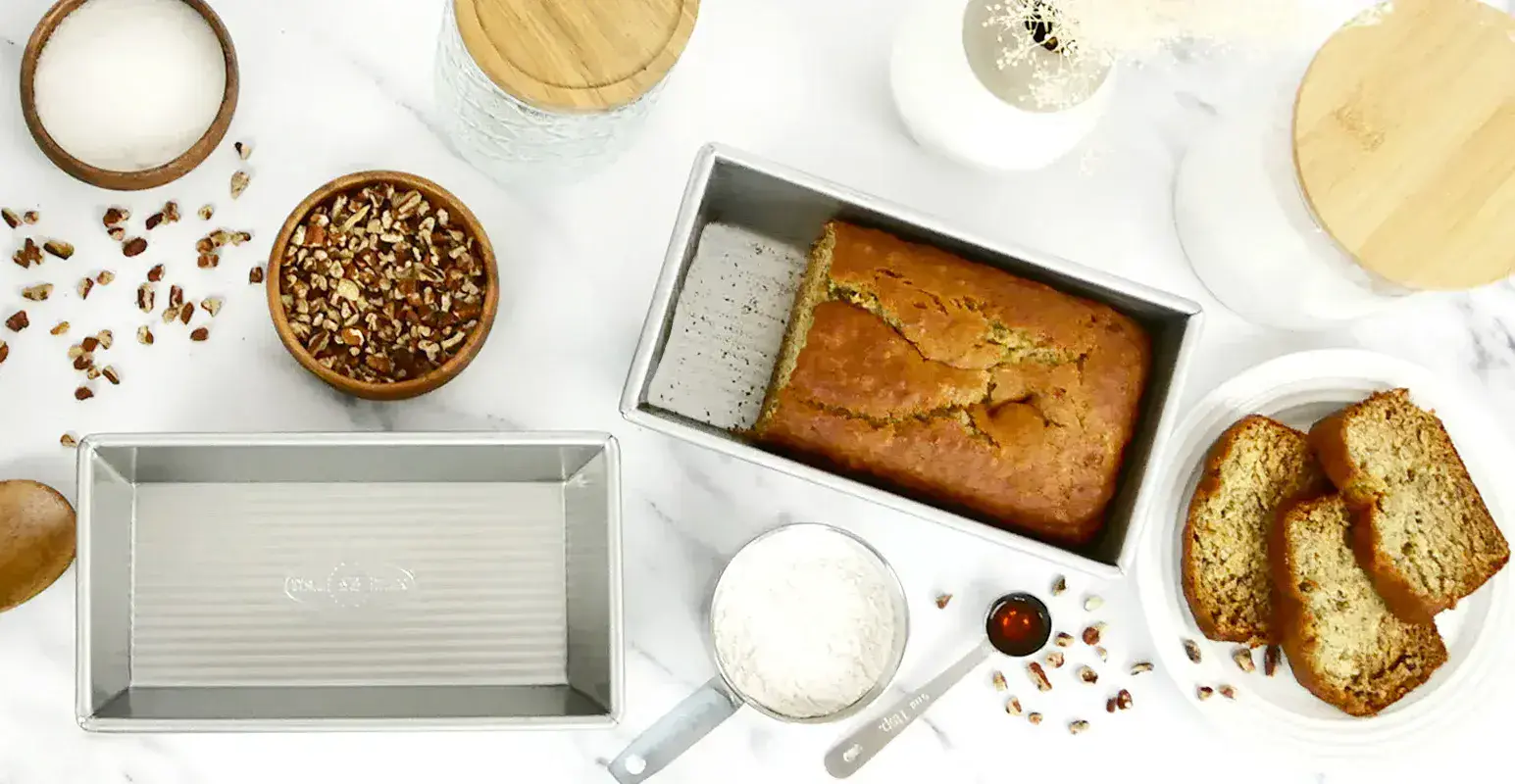
The Complete Guide to Sheet Pan Sizes
USA Pan | September 10, 2026
A sheet pan is a rectangular baking pan with a raised rim around all four edges. It is one of the most versatile and essential pans in any kitchen. Sheet pans can be used for everything from baking cookies and roasting vegetables to preparing complete meals.
However, with so many sizes available, choosing the right sheet pan can be confusing. USA Pan offers a wide range of sheet pan sizes to accommodate different ovens, recipes, serving sizes, and cooking needs.
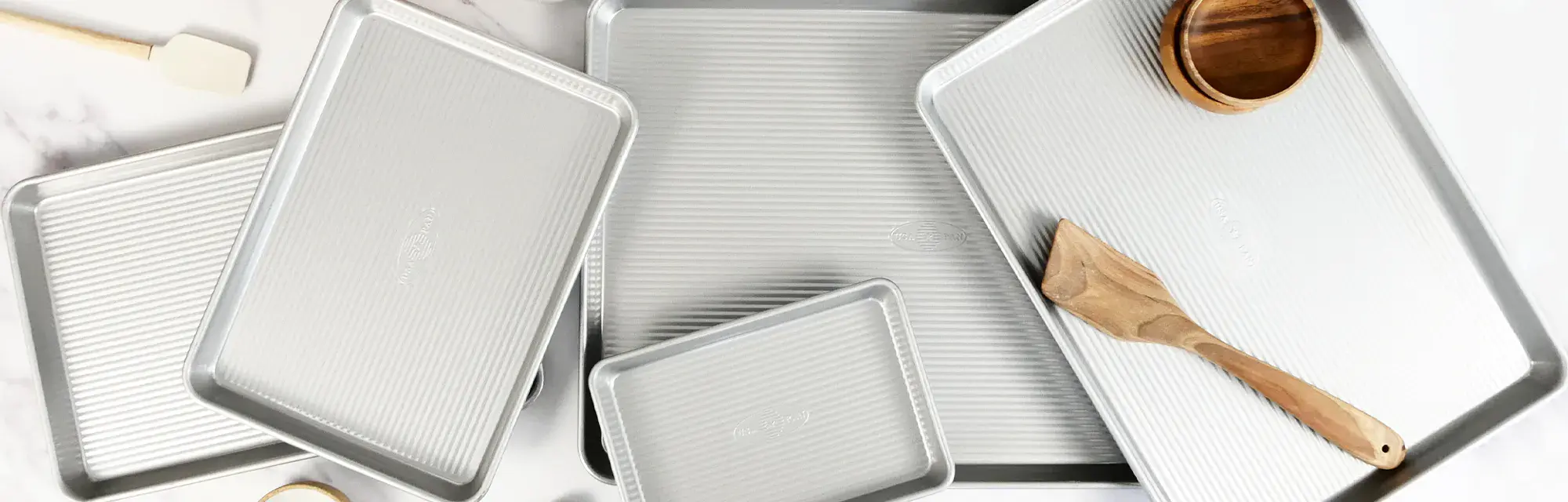
Common Sheet Pan Sizes
Common sheet pan sizes include:
- Mini Sheet Pan
- Quarter Sheet Pan
- Jelly Roll Pan
- Half Sheet Pan
- Three-Quarter Sheet Pan, also called an Extra-Large Sheet Pan
- Full Sheet Pan
This guide includes two types of pan measurements:
- Baking-surface dimensions indicate the approximate amount of usable space inside the pan.
- Outer dimensions measure the pan from edge to edge and should be used when determining whether it will fit inside an oven, toaster oven, cabinet, or storage area.
Always compare the pan’s outer dimensions with the usable interior space of your oven before making a purchase.
Sheet Pan Size Comparison Chart
| Sheet Pan | Baking Surface Dimensions | Outer Dimensions | Approximate Capacity | Best Uses |
|---|---|---|---|---|
| Mini Sheet Pan | 9" × 6" × 1" | 9.4" × 6.5" × 1" | Individual portions | Toaster oven recipes, reheating food, small servings, and desserts for one |
| Quarter Sheet Pan | 12.5" × 9" × 1" | 13" × 9.5" × 1" | Small batches | Side dishes, small batch baking, toaster oven cooking, and meal preparation |
| Jelly Roll Pan | 14.25" × 9.375" × 1" | 14.75" × 9.875" × 1" | Small to medium batches | Rolled cakes, cookies, vegetables, appetizers, and frozen foods |
| Half Sheet Pan | 17.25" × 12.25" × 1" | 17.75" × 12.75" × 1" | Standard family size batches | Cookies, sheet pan meals, roasted vegetables, appetizers, cakes, and everyday cooking |
| Extra-Large Sheet Pan | 20.25" × 14.25" × 1" | 20.75" × 14.75" × 1" | Extra large batches | Large batches of cookies, vegetables, appetizers, and complete meals |
| Full Sheet Pan | Varies by manufacturer | Approximately 18" × 26" | Commercial size batches | High volume baking and commercial food preparation |
The Full Sheet Pan is included as a size reference. USA Pan does not currently offer a Full Sheet Pan for home use because this commercial size pan is too large for most residential ovens.
Full Sheet Pan
A full-size sheet pan typically has outer dimensions of approximately 18" × 26", although its exact baking surface can vary by manufacturer. Full Sheet Pans are primarily used in commercial bakeries, restaurants, and other professional food-service environments.
Although this size is useful for high-volume baking, it is generally too large for a standard residential oven. Home bakers who need additional capacity will usually find that an Extra-Large Sheet Pan or multiple Half Sheet Pans are more practical options.
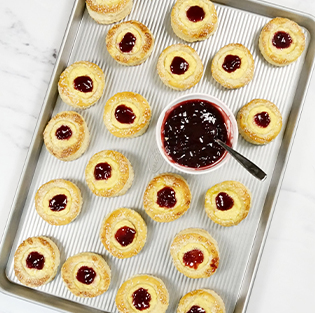
Extra-Large Sheet Pan
The USA Pan Extra-Large Sheet Pan is a great choice for bakers and cooks who regularly prepare food in large quantities. Its baking surface measures 20.25" × 14.25" × 1", while its outer dimensions are 20.75" × 14.75" × 1".
The Extra-Large Sheet Pan is ideal for roasting large batches of vegetables, baking large quantities of cookies, preparing appetizers for a gathering, or cooking an entire sheet pan meal. However, not every household needs a sheet pan this large.
Before purchasing an Extra-Large Sheet Pan, measure the interior width and depth of your oven. Remember to leave enough space around the pan for proper airflow and safe placement on the oven rack.
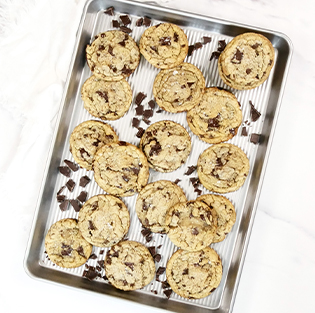
Half Sheet Pan
The USA Pan Half Sheet Pan is our most popular sheet pan size and one of our most popular baking pans overall. It fits in most standard home ovens and offers enough room for family meals and large batches without being difficult to handle or store.
Its baking surface measures 17.25" × 12.25" × 1", and its outer dimensions are 17.75" × 12.75" × 1".
This hardworking sheet pan can be used to cook bacon, heat frozen pizza and appetizers, prepare nachos, make sheet pan dinners, roast vegetables, and bake cookies, brownies, cakes, and more.
If you are purchasing only one sheet pan, the Half Sheet Pan is generally the most versatile choice. Every kitchen can benefit from having at least one. Depending on how often you cook or bake, you may want more than one.
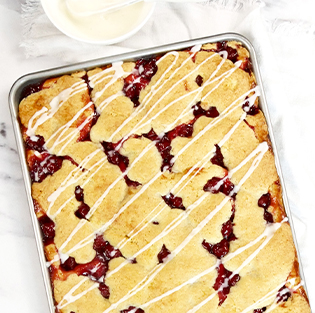
Jelly Roll Pan
In terms of size, the USA Pan Jelly Roll Pan falls between the Half Sheet Pan and Quarter Sheet Pan. Its baking surface measures 14.25" × 9.375" × 1", and its outer dimensions are 14.75" × 9.875" × 1".
A jelly roll pan is specifically designed for making thin sponge cakes that can be filled and rolled. Its raised edges help contain the batter and create the proper cake thickness for rolling.
Although it is considered a specialty cake pan, the Jelly Roll Sheet Pan can also be used like a smaller everyday sheet pan. It is a great option for baking cookies, roasting smaller batches of vegetables, heating frozen foods, and preparing appetizers.
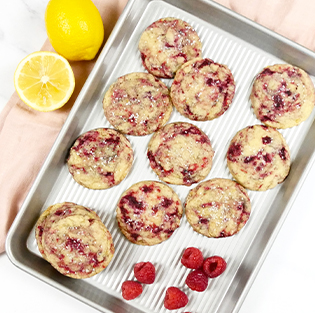
Quarter Sheet Pan
The USA Pan Quarter Sheet Pan is slightly smaller than the Jelly Roll Sheet Pan. Its baking surface measures 12.5" × 9" × 1", while its outer dimensions are 13" × 9.5" × 1".
This sheet pan is ideal for preparing smaller portions, roasting side dishes, baking small batches of cookies, and separating different foods during meal preparation. Its compact size also makes it a convenient option for many toaster ovens, although you should always measure your appliance before purchasing.
A Quarter Sheet Pan is also helpful when preparing foods that require different cooking times because each pan can be placed in or removed from the oven separately.
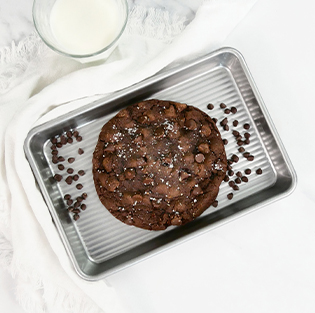
Mini Sheet Pan
The USA Pan Mini Sheet Pan is the smallest sheet pan we offer. Its baking surface measures 9" × 6" × 1", and its outer dimensions are 9.4" × 6.5" × 1".
This compact pan is ideal for individual portions, small desserts, reheating food, and toaster oven cooking. Many customers also enjoy using the Mini Sheet Pan as a serving tray for appetizers, sandwiches, desserts, or individual meals.
Its small size makes it especially useful for households that do not always need to heat a larger pan.
What Is the Difference Between a Sheet Pan, Baking Sheet, Cookie Sheet, and Jelly Roll Pan?
These terms are sometimes used interchangeably, but they can describe slightly different types of bakeware.
Sheet Pan
A sheet pan is a rectangular baking pan with a raised rim around all four sides. The rim helps contain liquids, oils, crumbs, and food, making sheet pans useful for both baking and cooking.
Baking Sheet
“Baking sheet” is often used as a general term for a flat, rectangular pan used in the oven. Depending on the manufacturer, a baking sheet may have four raised edges or only one or two slightly raised sides.
Cookie Sheet
A traditional cookie sheet is flat or nearly flat, often with one raised edge that makes it easier to slide cookies from the pan. Unlike a rimmed sheet pan, it is not designed to contain liquids or foods that release juices while cooking.
Jelly Roll Pan
A jelly roll pan is a rimmed baking pan designed for making thin sheet cakes that can be filled and rolled. It is generally smaller than a Half Sheet Pan, but it can also be used for cookies, vegetables, appetizers, and other small-batch recipes.
Which Sheet Pan Size Should You Choose?
The best sheet pan size depends on your oven, household size, and the foods you prepare most often.
Choose a Mini Sheet Pan if you regularly cook individual portions, use a toaster oven, or want a small pan that can double as a serving tray.
Choose a Quarter Sheet Pan if you prepare smaller meals and side dishes or want a compact pan for meal preparation.
Choose a Jelly Roll Pan if you enjoy making rolled cakes but also want a versatile pan for smaller batches.
Choose a Half Sheet Pan if you want one dependable, multipurpose pan for everyday baking and cooking. This is generally the best starting point for most home kitchens.
Choose an Extra-Large Sheet Pan if you regularly bake or cook in large quantities and have an oven large enough to accommodate it.
How to Measure Your Oven for a Sheet Pan
Before purchasing a sheet pan, especially an Extra-Large Sheet Pan, measure the usable interior space of your oven.
- Measure the width of the oven rack at its narrowest point.
- Measure the usable depth of the rack from front to back.
- Check for oven walls, rack supports, fans, or other features that may reduce the available space.
- Compare those measurements with the pan’s outer dimensions—not only its baking-surface dimensions.
- Allow space around the pan so heat can circulate properly.
Do not assume a pan will fit based only on the advertised size of the oven. Interior dimensions can vary among appliance manufacturers and models.
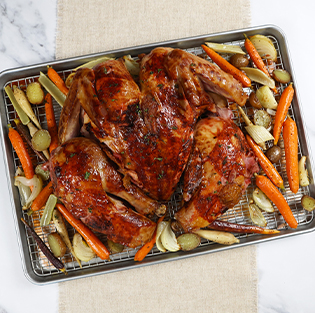
Sheet Pans and Baking Racks
Pairing a sheet pan with a properly fitted baking rack can make it even more versatile. A baking rack raises food above the surface of the pan, allowing air to circulate around it.
A sheet pan and rack combination can be used for:
- Cooling cookies, cakes, and other baked goods
- Decorating baked goods with icing, chocolate, or glaze
- Allowing excess glaze or crumbs to fall onto the pan below
- Roasting foods above rendered fat or cooking juices
- Promoting airflow around foods while they cook or cool
For the best fit, choose a baking rack specifically designed for the corresponding USA Pan sheet pan. USA Pan baking and cooling racks are oven-safe up to 450°F, making them useful for baking and roasting as well as cooling and decorating.
Baking Material and Coating
USA Pan sheet pans are constructed from aluminized steel. Aluminized steel consists of steel coated on both sides with an aluminum-silicon alloy.
This construction combines the heat-conducting properties of aluminum with the strength and durability of steel. A quality sheet pan should heat efficiently, retain heat effectively, and provide reliable baking performance. Aluminized steel is widely used by commercial bakeries for these reasons.
USA Pan nonstick sheet pans feature our exclusive Americoat clear silicone coating, which helps baked goods release easily from the pan and makes cleanup easier.
USA Pan also pioneered the use of corrugation, the ridged surface found on many USA Pan sheet pans. This innovative design promotes airflow for even baking and browning while also adding strength to the pan and helping it resist warping.
How to Care for USA Pan Sheet Pans
Proper care can help preserve the appearance and performance of your sheet pans.
- Allow the pan to cool before washing it.
- Hand-wash the pan using warm water, mild dish soap, and a soft sponge or nylon pad.
- Avoid steel wool, abrasive cleaners, and harsh scouring pads.
- Do not use sharp metal utensils that could scratch the pan’s surface.
- Dry the pan thoroughly before storing it.
- Avoid sudden temperature changes, such as placing a hot pan directly into cold water.
- Do not exceed 450°F unless the care instructions for the specific product state otherwise.
- Follow the use-and-care instructions provided with the specific sheet pan.
Find the Right Sheet Pan for Your Kitchen
The right sheet pan depends on the size of your oven, the amount of food you typically prepare, and how you plan to use it. A Half Sheet Pan is a versatile choice for most home kitchens, while Quarter and Mini Sheet Pans are convenient for smaller portions and toaster ovens. For larger batches and gatherings, an Extra-Large Sheet Pan provides additional baking space.
Before choosing a pan, compare its outer dimensions with the usable interior space of your oven. Once you find the right size, a dependable sheet pan can become one of the most frequently used pieces of bakeware in your kitchen.
Explore USA Pan sheet pan to find the best size for your baking and cooking needs.